Invasive plant species can be found throughout the world, where they negatively impact the native flora, reduce ecosystem services, and ultimately interfere with agriculture, recreation, and reduce biodiversity. Defined as a non-native species that spread rapidly and “jump boundaries” into new areas, invasive plants are of concern to many. However, invasive species can also be seen though an evolutionary lens – that of being able to adapt to a new environment and reproduce successfully. Consequently, our lab is interested in invasive species as the opposite of rare, endangered species – the other end of the plant diversity gradient.
Although the vast majority of introduced, non-native species never become invasive, those species that do spread can eventually exert huge negative impacts on the environment. One of the common ways in which non-native plants are introduced to a new area is through horticulture – specifically as ornamental trees, shrubs, and herbs, often sold in nurseries and big box stores or now days, obtained online. Many traits associated with invasiveness are also desired by the gardening public: rapid, vigorous growth; prolific flowering; ability to tolerate poor soil and low moisture; and in some cases, fruit production.
In our lab, we are interested in why some ornamental plant species might start to spread from cultivation into nearby natural areas. Many of these species have been within the gardening landscape for decades. Why would they suddenly start to spread?
We use both field and genetic methods to focus on specific ornamental plant species, and we work with both land managers and the nursery industry to collect samples for analysis. Thus far, our lab has focused on the following species:
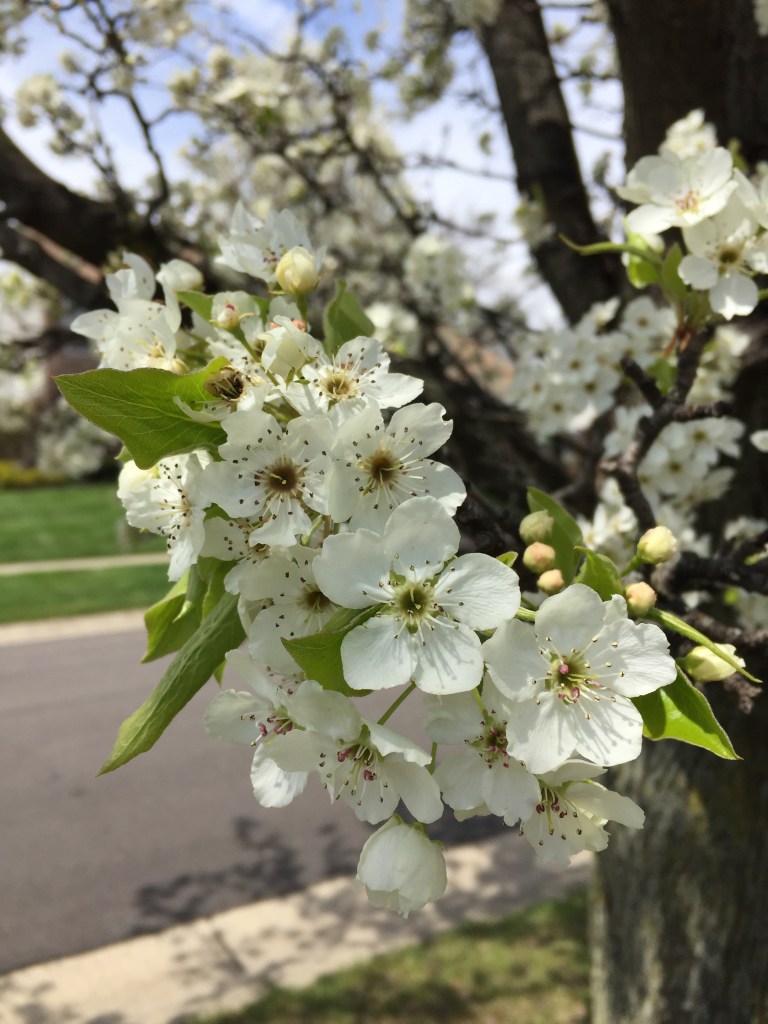
Pyrus calleryana (Callery pear) – This species was introduced to the US in the early 1900’s as rootstock for P. communis before the first cultivar, ‘Bradford’, was sold around 1961. Today there are many different cultivars, which our lab has shown are able to cross-pollinate with each other and with the grafted rootstock, leading to formation of wild populations across the US. More information on this species can be found here.
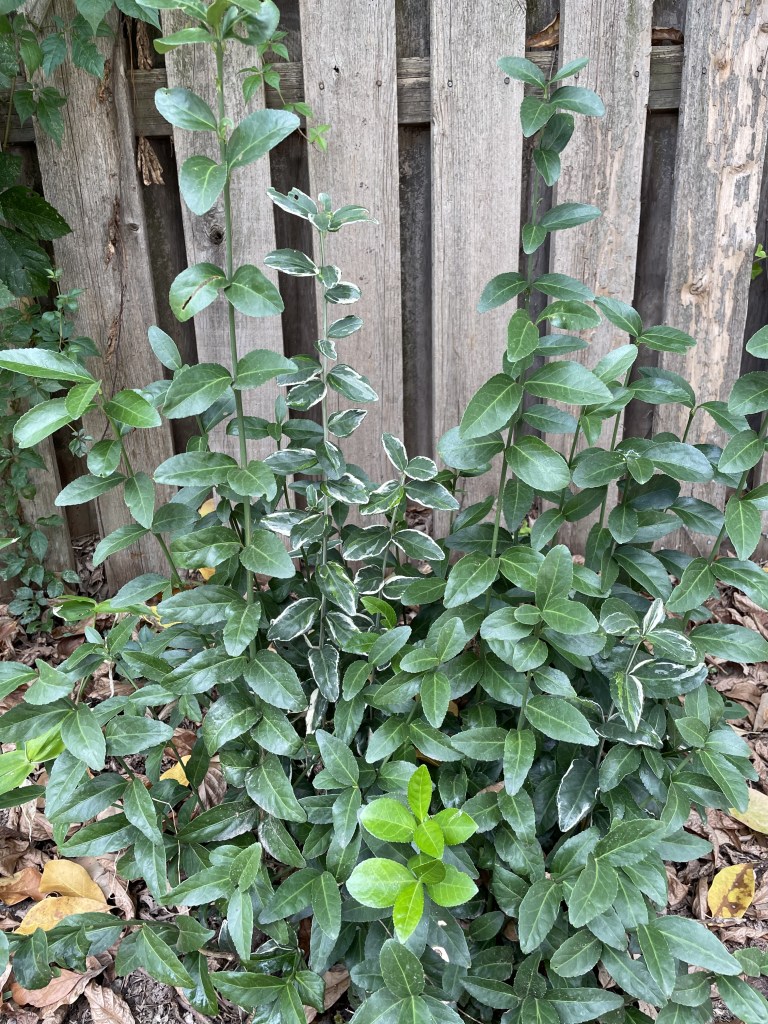
Euonymus fortunei (wintercreeper) – This very common ground cover is sold in a variety of different cultivar names and is sometimes mistaken for two other related species. We have found that all wild populations we samples in OH, KY, OK, and MN consisted of a single tetraploid cultivar, ‘Coloratus’.
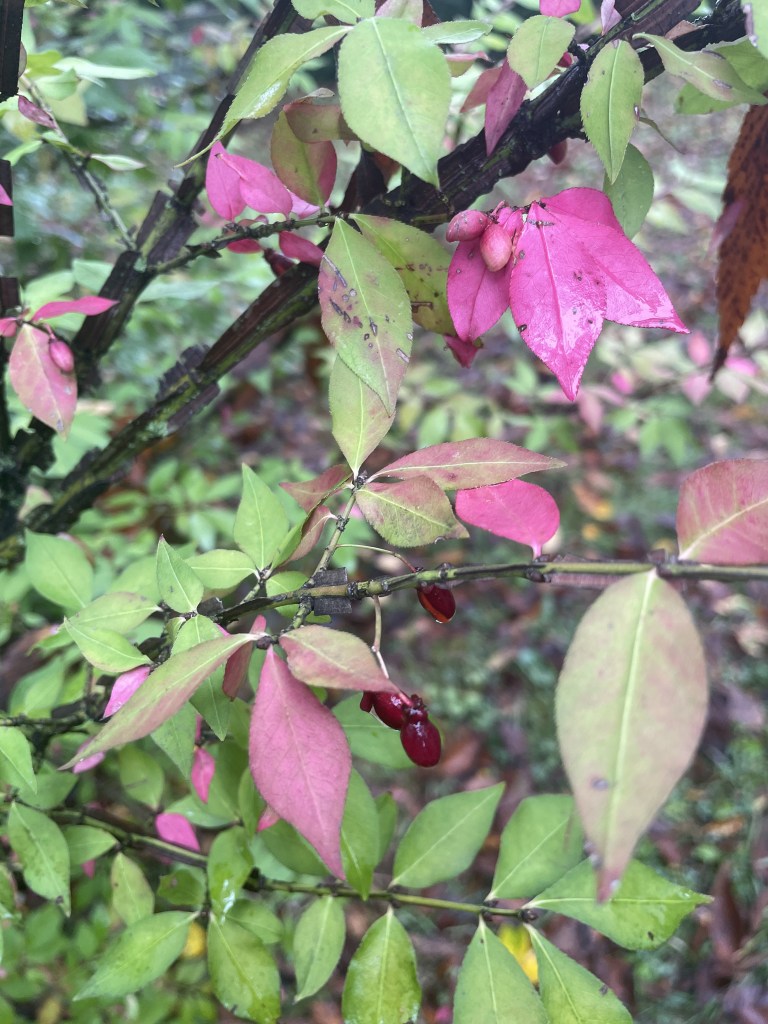
Euonymus alatus (winged burning bush) – This widely planted shrub is most visible in fall when it’s leaves turns a bright red color. Now spreading into natural areas, this shrub is still sold in many stores in the Midwest. We are currently working to determine the identity of wild plants. Are they an escaped cultivar, a hybrid among cultivars, or perhaps the straight species?

Miscanthus sinensis (Chinese silver grass) – This very common ornamental grass is available in a number of sizes and leaf patterns. Now found wild in the Midwest, the reason for this species recent spread from cultivation is the focus of our lab.
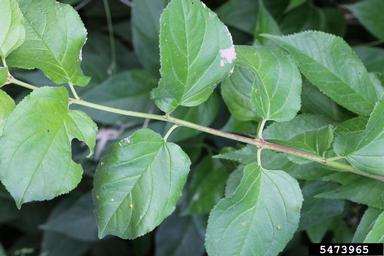
Rhamnus cathartica (common buckthorn) – For this project, our lab wanted to know the identity of wild buckthorn, based on genetic microsatellite markers.
 The Culley Lab