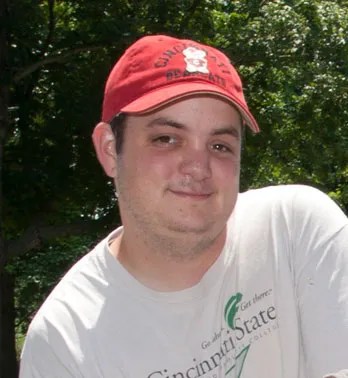
Dr. Robert Elam (PhD, 2023)
Robert completed his MS degree in our lab, focusing on the effects of coal particulates on plant growth. He then finished his PhD on the population genetics of wintercreeper (Euonymus fortunei), an invasive vine.

Rachel Bridgens (MS, 2022)
Starting in the lab as an undergrad, Rachel discovered her gift for benchwork. Combined with her interest in conservation and rare species, she took on a project with the Cincinnati Zoo and Botanical Garden, working with Dr. Valerie Pence and Dr. Megan Philpott (a previous graduate of our lab). Rachel focused on the population genetics of federally endangered species in the Hawaiian Islands, working with scientists at Lyon Arboretum in Honoloulu. Rachel was at the Cincinnati Museum Center and now works for Cincinnati Children’s Hospital.
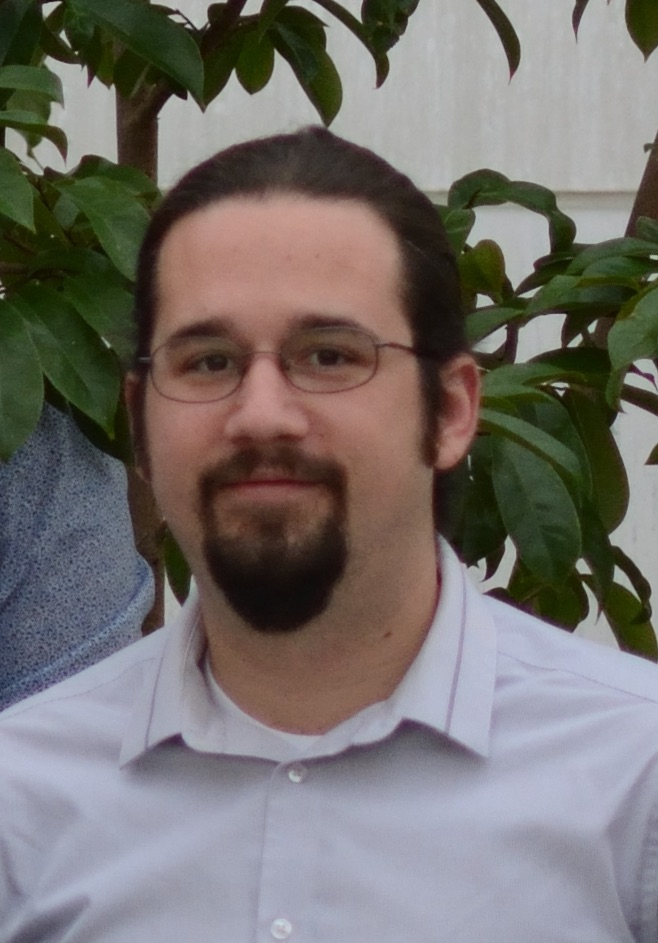
Dr. Ben Merritt (PhD, 2021)
Ben used his expertise in GIS to answer ecological questions involving several different systems, ranging from plant-insect interactions in alpine environments with Sedum to integrative taxonomy in Camassia. Previous to joining the PhD program, Ben worked in our lab as an undergraduate researcher, collaborating to publish a number of studies. He was co-advised by Dr. Steve Matter.
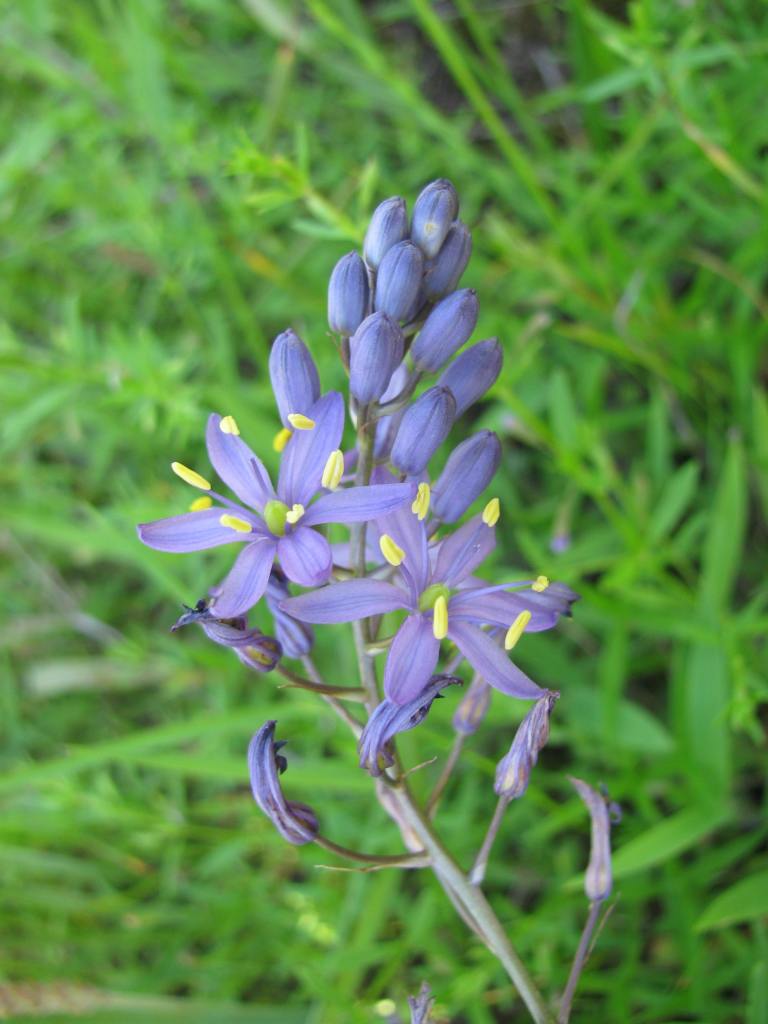
Jeremiah Allen (PhD Student)
Following his interests in conservation biology, Jeremiah joined our lab during Summer 2018 as a researcher on the Hawaiian Conservation Projects, in collaboration with Dr. Valerie Pence at the Cincinnati Zoo and Botanical Garden. He worked on developing molecular markers in a variety of endangered Hawaiian plant taxa known as exceptional species.

Dr. Megan Philipott (PhD, 2018)
Megan was co-advised with Dr. Valerie Pence at the Cincinnati Zoo and Botanical Garden’s Center for the Reintroduction of Endangered Wildlife (CREW) facility to examine the effect of different tissue storage technique on DNA quality of plant tissue. She is now a research scientist at CREW just down the street from our laboratory.
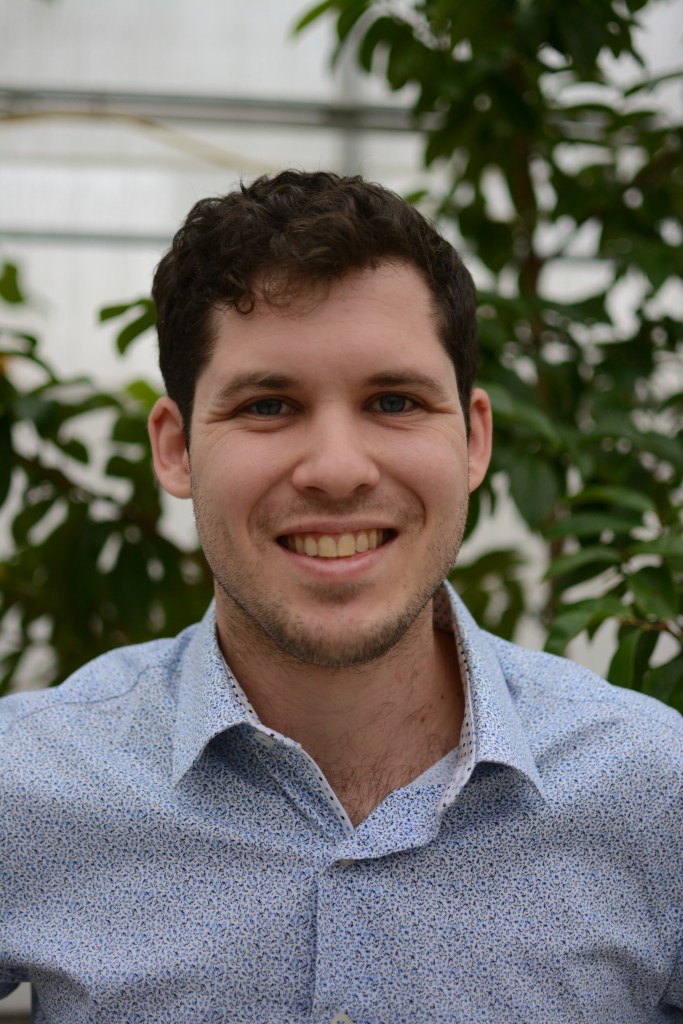
Dr. Robert Tunison (MS Student, 2018)
Rob finished his MS degree during Summer 2018, after focusing on the question of how best to characterize global biodiversity on a country by country basis. He is also a first-rate birder and talented botanist in the field. He received his PhD from Michigan Technological University.
Dr. Sunita Yadav (PhD, 2015)
Sunita designed a project with the Hawaiian endemic plant genus, Schiedea, combining her expertise with GIS with her interest in plant reproductive biology, breeding systems, and population genetics. She now works for a federal agency using her mapping expertise and interest in plant species.

Dr. Susan (Evy) Jaconis (PhD, 2015)
Susan was interested in the effects of particulate matter (PM) on the health and reproduction of plant populations. She is now the Director of Research at the US Dry Pea and Lentil Council In Pullman, Washington.

Francis Cartieri (MS student)
Francis was working on an empirical study investigating how to define a species within the Camassia complex, using integrative taxonomy. Francis now manages a research lab in Pittsburgh.

Dr. Alina Avanesyan (PhD, 2014)
Alina focused on plant-insect interactions, examining whether feeding behavior of grasshoppers differed with respect to invasive and native plant species. Alina also developed a molecular technique using PCR for accurate detection of plants consumed in grasshoppers’ guts (see article). Alina is at the University of Maryland.
Allison Mastalerz, MS (July 2013)
After working as an undergrad, Allison entered the graduate program to pursue her interest in invasive species. She compared surveyed forests in urban and rural areas of Southwestern Ohio to examine the invasion dynamics of ornamental plant species. Allison now is an Adjunct Assistant Professor for the Biological Sciences Department at UC.
Dr. Richard Stokes, PhD (August 2012)
An interest in Trout Lily (Erythronium americanum) led Richard to develop a research project to examine self-incompatibility of this spring ephemeral and its genetic structure. His work involved both field and lab components, and he developed microsatellite markers. He has also developed a technique using PCR on individual pollen grains from herbarium specimens. Richard is now an Instructor at the University of IL, Springfield.
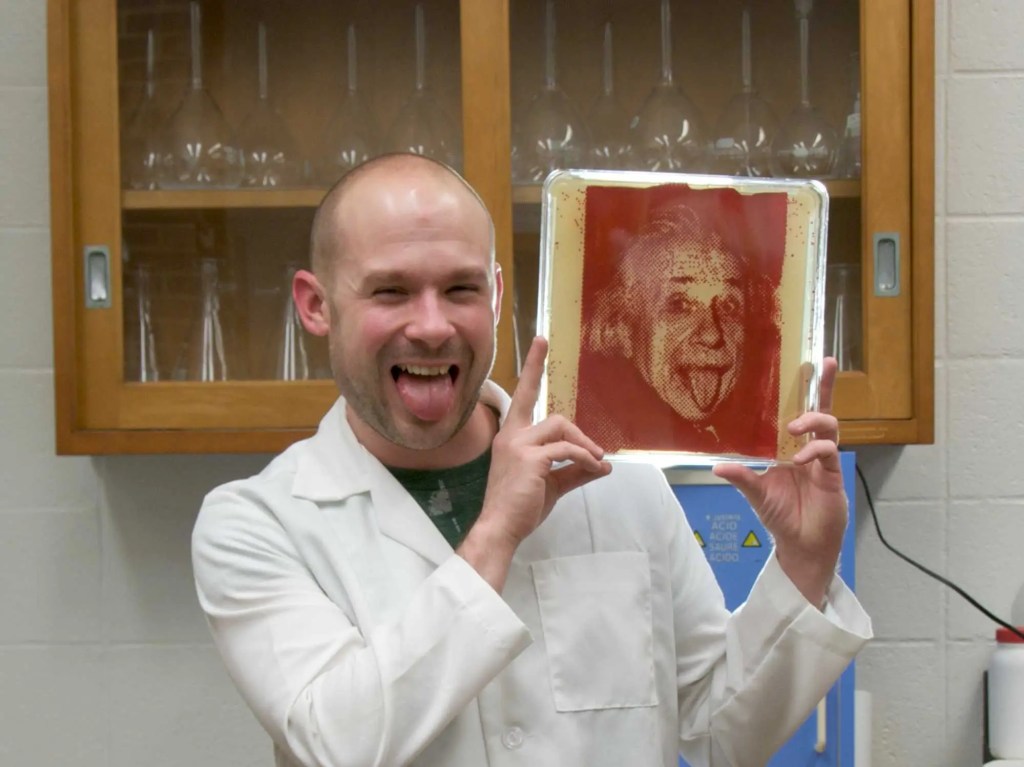
Zachary Copfer, MA (July 2012)
Zachary is an artist-scientist who worked in the Culley lab on his MFA degree in photography though the DAAP program at the University of Cincinnati. Zachary developed a new technique to make bacterial portraits (inventing a new medium called bacteriography, combining photographic process with microbiological practices). His blog can be found here.
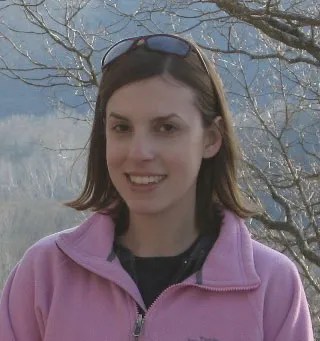
Dr. Jessica Brzyski, PhD (July 2011)
Jessica studied the federally threatened species, Spiraea virginiana. She developed microsatellite markers, with which she completed a genetic study of populations throughout eastern North America. In addition, she quantified sexual reproduction of this riparian shrub. Jessica is now on the faculty of Seton Hill University in PA.
Jennifer Sayegh, MS (June 2011)
Jennifer was one of the first students to undergo our departmental 4+1 program to earn both her BS and MS degrees in 5 years. Jennifer was interested in medical botany and conducted a literature survey on alkaloids derived from Vinca.

Ashley Kuenzi, MS (July 2010)
Ashley developed chloroplast microsatellite primers for the Hawaiian endemic genus, Schiedea. She used these markers in conjunction with nucelar markers to look at issues of hybridization and gene flow within the genus. Ashley is now a Laboratory Manager at the College of Medicine at UC.

Dr. Nicole Hardiman, PhD (August, 2008)
Nicole was interested in the formation and effects of invasive plant species. Sheexamined therecent invasion of the Bradford pear and related cultivars into areas of the northeastern United States. Nicole moved to Arkansas where she continues to be involved local conservation organizations.
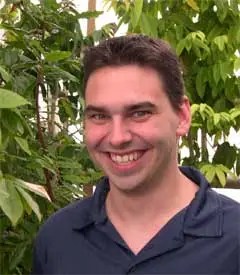
Dr. Matthew Klooster, PhD (June, 2008)
Matt studied several non-photosynthetic, myco-heterotrophic species within the Ericaceae, namely Indian Pipe (Monotropa uniflora), Pinesap (Monotropa hypopitys) and Sweet Pinesap (Monotropsis odorata). He quantified pollinator visitation and self-compatibility of each species to understand the mechanism for gene flow within and between populations. After working are Centre College and Carleton College, Matt is now back at UC at the Blue Ash campus.
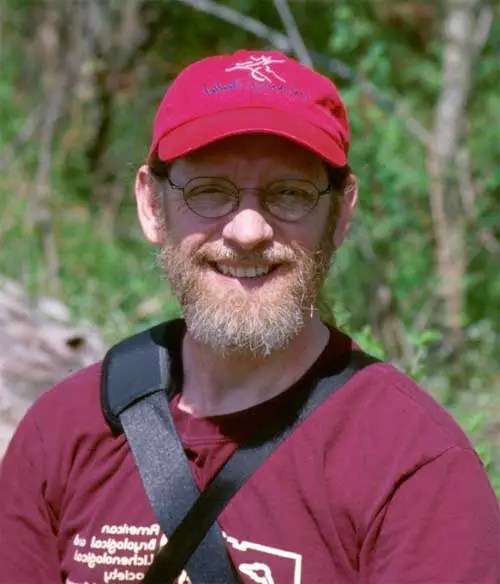
Stefan Washburn, M.S.
Stephen examined whether there are observable impacts from air pollution (especially O3) on the lichen flora of the Greater Cincinnati region. He continues today to study bryophytes and all aspects of nature in the Cincinnati area.

David Moerlein, M.S.
David studied the ability of house plants to filter small particulate matter (PM) from the air within enclosed indoor systems. Dave graduated from the University of Michigan Ross School of Business and is currently working for Google.
 The Culley Lab